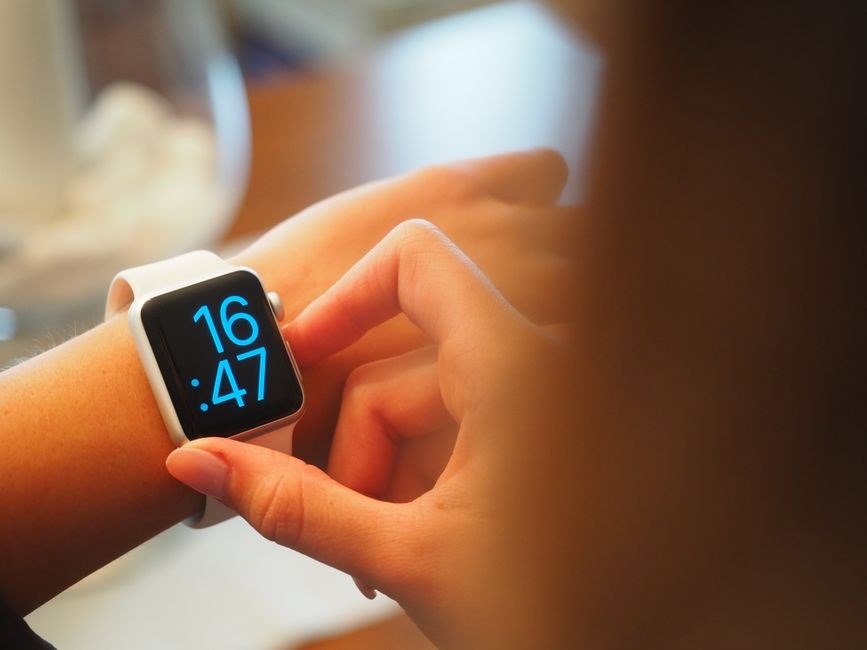
Smartwatches blend fitness tracking, health monitoring, and connectivity into a wrist‑worn companion. The 2026 guide highlights beginner‑friendly setup for iPhone and Android, drawing on Amazon’s comprehensive manual (ISBN 9798310446724) and real‑world app integration tips. Explore settings and tips now!!.
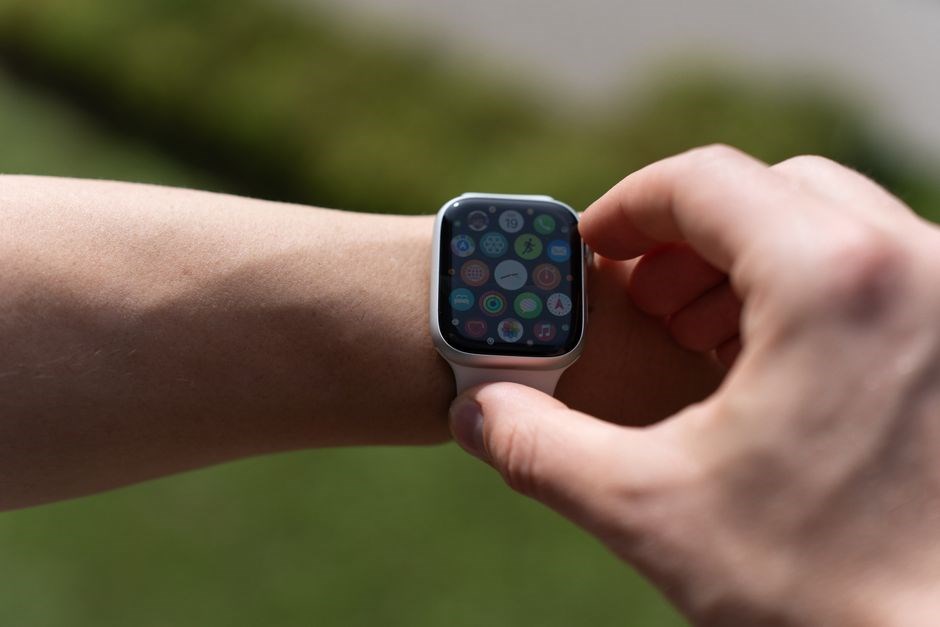
Unboxing and Physical Overview
When you receive your smartwatch, the first impression is shaped by the packaging and the device’s form factor. The box typically contains the watch, a quick‑start guide, a charging cable, a silicone or leather strap, and a small card with serial numbers and warranty information. The guide (ISBN 9798310446724) emphasizes a clean, minimalist design that prioritizes ergonomics and battery life.
The watch itself is a compact, rounded rectangle with a sapphire‑protected display that offers full touch capability. The bezel is slightly raised, providing a tactile boundary that helps you navigate menus without looking. A recessed button on the side allows you to trigger the wake‑up gesture, which is activated when you lift your wrist or tap the screen.
On the front, the display is surrounded by a thin glass frame that houses the speaker and microphone. The speaker is positioned near the top edge, delivering clear audio for calls and notifications. The microphone is placed just below the speaker, ensuring voice commands are picked up accurately even in noisy environments.
Below the display, a small, recessed sensor area hosts the heart‑rate monitor, which uses photoplethysmography (PPG) to track pulse continuously. The sensor is calibrated for a wide range of skin tones and is protected by a silicone ring that improves contact during intense workouts.
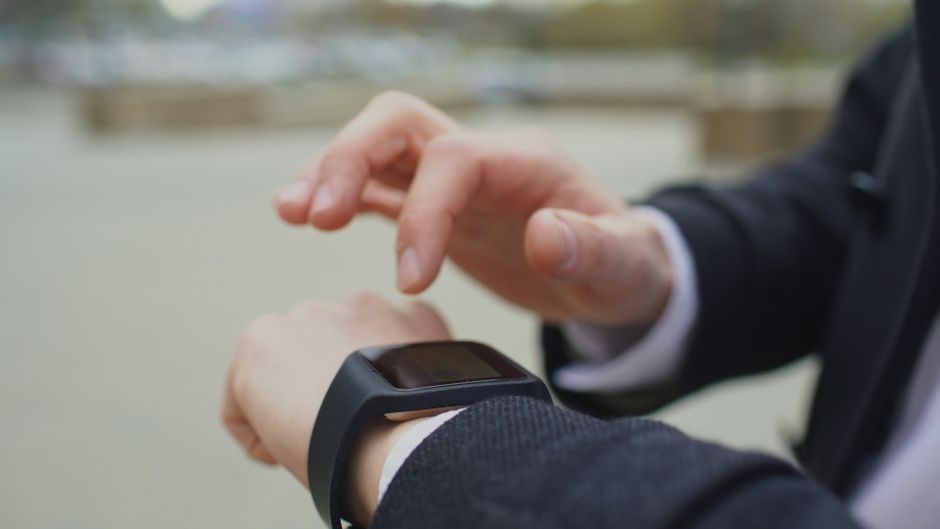
The watch’s strap options are versatile. The included silicone strap is breathable and adjustable, while the leather strap adds a touch of sophistication for business settings. Both straps attach via a magnetic clasp that locks firmly in place, preventing accidental detachment during vigorous activity.
The watch’s battery lasts up to two weeks with moderate use, and quick‑charge gives 50% power in 30 minutes. Its 5ATM water rating suits swimming and everyday splashes daily. daily.
Initial Setup and Pairing
Begin by powering on the smartwatch; the display will prompt you to select language and region. Follow the on‑screen wizard, which automatically detects your phone’s operating system. For iPhone, install the companion app from the App Store; for Android, download from Google Play. Once the app opens, sign in with your existing account or create a new one. The app will request permission to access health data, notifications, and location. Grant these permissions to enable full functionality.
Next, enable Bluetooth on your phone. The smartwatch will appear in the device list; tap to pair. A six‑digit code will appear on both devices; confirm it matches and proceed. The watch will then sync with the phone, downloading firmware updates if available. This process may take several minutes, during which the watch’s screen will display a progress bar.
After pairing, the app will guide you through setting up health profiles: input age, gender, height, weight, and activity level. These metrics calibrate heart‑rate zones and calorie estimates. You can also link third‑party fitness services such as Strava or Garmin Connect for data sharing.
The final step is to customize notification preferences. Choose which apps can push alerts to the watch, and set vibration patterns for each. You can also enable “Do Not Disturb” for scheduled quiet periods. Once all settings are confirmed, the watch will display a “Setup Complete” screen and return to the home menu, ready for daily use.
If pairing stalls, ensure the watch’s firmware is up to date by checking the “Firmware” section in the app. Restart both devices, then re‑initiate pairing. For iPhone users, disable “Background App Refresh” for the watch app to prevent interference. If the watch still fails to connect, reset the device by holding the side button until the screen flashes, then repeat the pairing process. Once connected, the watch will automatically sync time, date, and timezone, ensuring accurate activity logging.
Before you start using the watch, calibrate the heart‑rate sensor by walking at a steady pace for 5 minutes. The app will prompt you to record a baseline pulse, which improves accuracy during workouts. Additionally, you can set the watch to “Always On” mode if your battery permits, allowing you to view time and notifications without lifting your wrist. Enjoy your new smartwatch experience
Customizing Watch Faces and Widgets
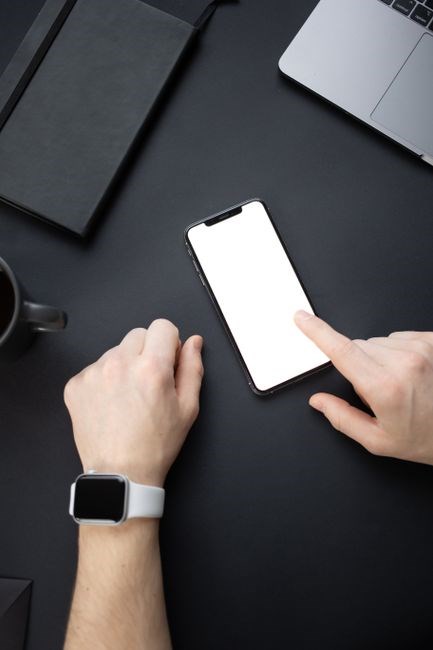
After pairing, open the companion app and tap “Watch Faces.” Browse free and premium designs, then tap a face to preview. Each face offers color themes, background images, and slots for complications. iPhone users can add weather, calendar, heart‑rate, or battery icons via the “Complications” button. Android users long‑press the home screen to add widgets directly.
To create a custom face, tap “Create New” and pick a layout. Drag data points—steps, distance, or sleep—into the layout. Adjust font size and style in the preview. When satisfied, tap “Save” and the face syncs instantly. You can also import faces from the marketplace by tapping the download icon.
Widgets are managed in the “Widgets” section. Choose a type—Weather, Music, or Alarm—and configure its settings. Weather widgets auto‑detect your location or let you enter a city. Music widgets show album art and playback controls, while Alarm widgets allow multiple alarms with custom labels. The widget layout updates instantly as you move items.
Widgets appear on the home screen; swipe left or right to cycle. Long‑press a widget to edit or remove it. You can also rearrange widgets by dragging them. Set a default face by selecting it in the “Home” tab and toggling “Set as Default.”
Advanced users can download third‑party face packs from the app store. After installation, choose the new face and customize its data points. All updates delivered air..
Health and Fitness Features
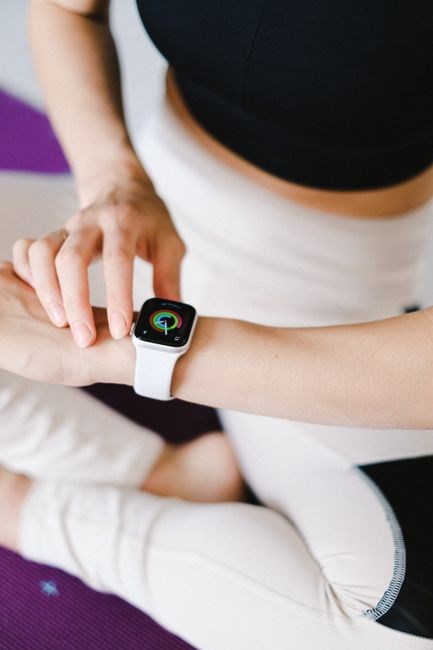
Explore heart rate, sleep, and activity tracking. The watch logs beats per minute, sleep stages, and daily steps. Set goals, view trends, and receive reminders. Sync data to your phone for detailed analysis. Stay motivated with real‑time stats and personalized insights. Enjoy Track progress daily. Stay fit! Live.OK
Heart Rate Monitoring
Heart rate monitoring is a core feature of modern smartwatches, offering continuous, real‑time data that helps users track cardiovascular health, exercise intensity, and recovery. The sensor uses photoplethysmography (PPG) to detect blood flow changes through the skin, providing accurate beats‑per‑minute (BPM) readings even during light activities. To start monitoring, open the Health app on your phone, pair the watch, and enable “Heart Rate” in the watch’s settings. Once activated, the watch will automatically log heart rate during workouts, at rest, and during sleep, storing the data in the cloud for later analysis.
Key benefits include:
- Workout intensity zones: The watch calculates zones such as fat burn, cardio, and peak, guiding you to stay within target ranges.
- Resting heart rate trend: By tracking daily resting BPM, you can gauge overall fitness and detect early signs of illness.
- Recovery alerts: If your heart rate remains elevated after exercise, the watch notifies you to hydrate or rest.
- Data export: Export CSV files or sync with third‑party apps like Strava and Apple Health for deeper insights.
Advanced models also track heart rate variability (HRV), a marker of autonomic nervous system balance. HRV data, displayed as a graph, helps athletes fine‑tune recovery and identify overtraining. The watch’s stress score, derived from HRV and breathing patterns, offers daily insights and suggests breathing exercises to lower stress.
If the sensor fails to detect a signal—common when the watch is too loose or dry—the app warns. Clean the sensor area, tighten the strap, and retry. Persistent issues may need a firmware update or support. Stay fit with real‑time data daily.✓!?
Lorem ipsum dolor sit amet, consectetur adipiscing elit. Sed do eiusmod tempor incididunt ut labore et dolore magna aliqua. Ut enim ad minim veniam. Quis nostrud. Exercitation. Aliqua.!
Sleep Tracking
Sleep tracking on a smartwatch uses motion sensors and heart‑rate variability to segment sleep into light, deep, and REM stages. The device records cycles, total duration, and quality score, syncing data to the companion app. Users can view nightly summaries, trends over weeks, and receive personalized tips. To enable, open the Sleep app, toggle “Track Sleep,” and wear the watch snugly. The watch automatically detects when you fall asleep and wakes up when you wake. If you remove the watch before the cycle ends, the app logs a partial session and prompts you to resume. The watch also offers a “Smart Alarm” that wakes you during a light phase, reducing grogginess. For advanced users, the app provides an HRV‑based stress score, indicating how well the body recovered. Export data to CSV for analysis or sync with Apple Health, Google Fit, or third‑party platforms. Firmware updates may improve accuracy; keep the watch updated. If the watch fails to detect sleep, check battery level, sensor cleanliness, and strap fit. Consistent use yields a comprehensive sleep profile, aiding better health decisions. Happy sleeping!
The smartwatch’s sleep algorithm also factors in ambient light and noise levels, providing a wake‑up window. Users can set a bedtime reminder that nudges them to wind down, while the watch’s vibration alerts them to the wake time. By correlating sleep data with activity, the watch helps users adjust routines for better rest and increased productivity. It syncs with your phone dailyOK
Activity Tracking and Goals
Activity tracking on a smartwatch captures steps, distance, calories, and active minutes using built‑in accelerometers and GPS. The device segments movement into walking, running, cycling, and swimming, each with its own calorie model. Users set daily, weekly, or monthly goals in the companion app, receiving real‑time feedback on the watch face. When a goal is achieved, a celebratory animation and vibration cue notify the wearer. The watch also offers “Auto‑Detect” mode, which logs workouts without manual start, and “Manual” mode for precise interval training. For runners, the watch records pace, splits, and heart‑rate zones, syncing data to Strava or Garmin Connect. Swimmers can track laps, stroke count, and pool length. The app visualizes progress with charts, showing trends over time and highlighting best performance days. Users can compare current data against historical averages, and set new targets accordingly. The watch’s “Challenge” feature invites friends to compete in step counts or distance, fostering motivation. Firmware updates may add new activity types or refine calorie calculations. To maintain accuracy, ensure the watch is snug, battery level above 20%, and firmware is up to date. If the watch misclassifies an activity, use the “Correct” button in the app to label the session, improving future recognition. Consistent tracking builds a comprehensive health profile, empowering users to meet fitness objectives.
Syncing with cloud services lets users export data to spreadsheets or share with healthcare providers. The adaptive display adjusts brightness based on ambient light, conserving battery during sessions. Reminders to stand or move integrate with the health coach, supporting movement daily goals
Managing Notifications and Apps
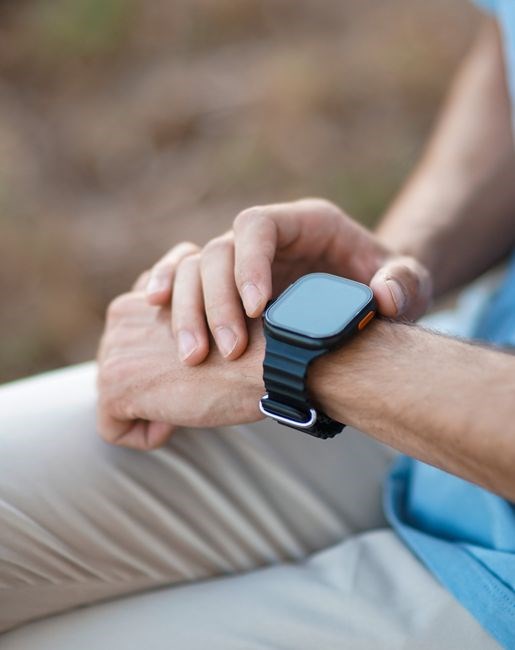
Manage alerts by choosing which apps show on the wrist. In the companion app, toggle notifications, set silent mode, or enable priority alerts. Install or update watch apps from the store, uninstall unused ones to free space. Customize vibration patterns per app to identify calls, texts, or events instantly daily!
App Installation and Updates
Installing and updating apps on a smartwatch involves a few straightforward steps that keep your device current and functional. First, open the companion app on your smartphone—whether iOS or Android—and connect to the watch via Bluetooth. Once paired, navigate to the “Apps” or “Store” section within the companion app. Here you’ll find a curated list of compatible applications, ranging from fitness trackers and messaging services to productivity tools and entertainment options. To install a new app, simply tap the “Download” or “Install” button next to the desired title. The watch will receive a notification confirming the installation, and the app icon will appear on the home screen or within the app drawer. If you need to update an existing app, the companion app will display an update badge or prompt. Tap “Update” to download the latest version; the watch will automatically replace the old files, ensuring you benefit from new features, bug fixes, and performance improvements. It’s also possible to manage app permissions directly from the watch’s settings menu, allowing you to grant or revoke access to health data, location, or microphone as needed. For larger apps that require more storage, consider uninstalling unused applications to free space. The watch will prompt you with a warning about data loss, but you can always reinstall from the store later. Keeping your apps up to date not only enhances functionality but also maintains security, as updates often patch vulnerabilities. By following these steps, you’ll keep your smartwatch ecosystem running smoothly and ready for any task or activity you throw its way.
Occasionally, app installation may fail due to connectivity hiccups or insufficient storage; If you encounter a “Download failed” message, first check your internet connection and ensure the watch’s firmware is up to date. The Amazon Smart Watch User Guide (ISBN 9798310446724) recommends restarting both devices and clearing the watch’s cache via the settings menu. For apps that require additional permissions, the watch will prompt you during installation; read each prompt carefully to avoid accidental data sharing. If an update stalls, you can pause the process in the companion app and resume later. Some manufacturers provide OTA (over‑the‑air) update packages that bundle multiple apps; installing these can save time and bandwidth. Finally, keep an eye on the watch’s battery level—large app downloads can drain power quickly, so it’s wise to charge the device before initiating a bulk update session. Remember to review the app’s privacy policy before installation to ensure compliance with your personal data preferences.
Notification Settings
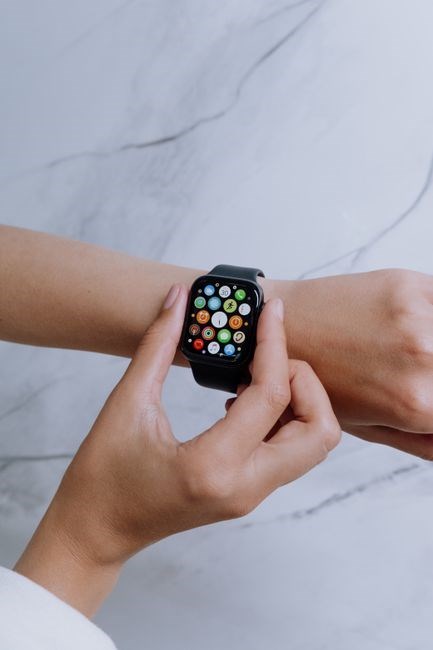
Managing alerts on your smartwatch is essential for staying connected without being overwhelmed. Open the companion app on your phone,go to the “Notifications” tab,and select the watch device. Here you’ll find a list of supported apps—email,messaging, calendar, social media, and more. Toggle each app on or off to control which alerts appear on the wrist. For apps that allow granular control, tap the app name to access options such as “Show preview,”“Priority,” and “Sound.” If you prefer silent notifications,enable “Do Not Disturb” mode from the watch’s quick‑settings panel; this silences all alerts while still delivering them to the phone. You can schedule Do Not Disturb periods,for example, during sleep or meetings,by setting start and end times. The watch also supports “Notification Banners” that slide down from the top of the screen;enable or disable this feature in the display settings. For high‑priority alerts, such as incoming calls or alarms,the watch will vibrate even if Do Not Disturb is active,unless you specifically mute the call or alarm. Additionally, the companion app offers a “Smart Filter” that learns which notifications you interact with most and prioritizes those over less important ones. To reset the filter,go to Settings > Notifications > Smart Filter and tap “Reset.” Finally, remember to keep the watch’s firmware updated; newer releases often introduce improved notification handling, as well as better battery usage or new vibration patterns.By customizing these settings, you strike a balance between staying informed and maintaining focus.
Battery Management and Charging
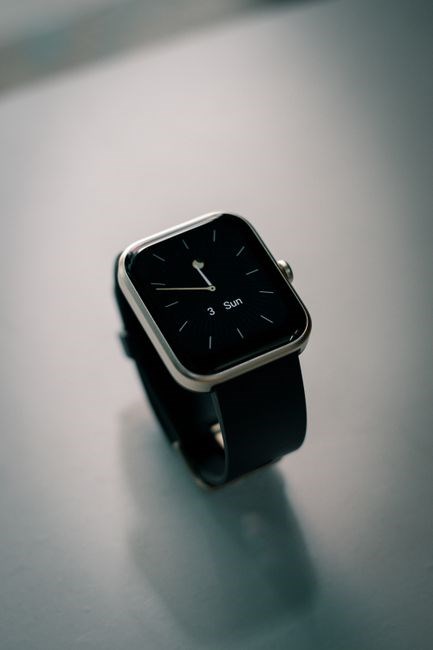
Optimizing battery life is essential for a smooth smartwatch experience. The 2026 guide recommends a quick 10‑minute charge to reach 50% capacity, then a full 2‑hour charge to 100%. Use the supplied magnetic dock or a Qi‑compatible pad; avoid third‑party chargers that lack proper voltage regulation, as they can damage the internal Li‑ion cell. Power‑saving mode reduces background activity, disables always‑on display, and limits sensor sampling to 1 Hz, extending standby time to 14 days. When active, the battery lasts 48 hours on a single charge if screen brightness is at 30% and haptic alerts for non‑critical notifications are disabled. To monitor battery health, open the companion app, go to Settings > Battery, and view the “Health” indicator; a value below 80% suggests aging and may need replacement. Periodic calibration is advised: fully discharge to 0%, then charge to 100% without interruption to recalibrate the meter. Keep the watch between 0°C and 35°C; charging above 45°C can degrade the cell. When the battery reaches 20%, a low‑power warning appears and a quick charge is suggested. The health indicator shows a turning orange when battery health drops below 70% and red when below 50%. Many models also support fast‑charging via USB‑C, delivering up to 15 W, and a spare battery pack can keep you powered during travel for extended trips. Proper habits—avoiding overnight over‑charging, removing the watch from the dock once full, and storing it in a cool, dry place—extend battery lifespan and keep the smartwatch reliable for years.
Troubleshooting Common Issues
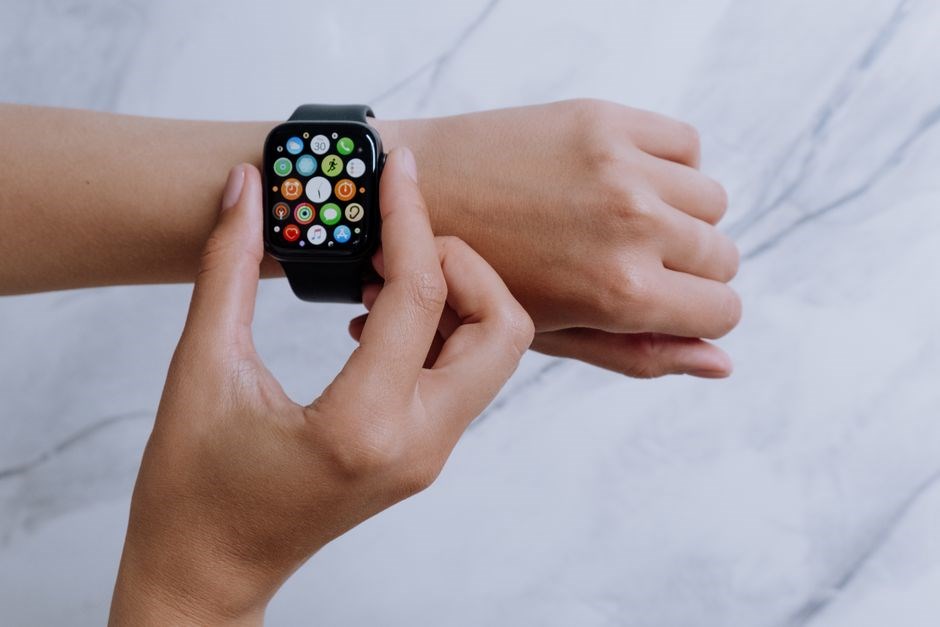
When a smartwatch behaves unexpectedly, follow these steps: 1. Restart the device by holding the power button for 10 seconds until the logo appears. 2. Ensure the firmware is up‑to‑date; open the companion app, tap Settings > Software Update, and install any pending releases. 3. For connectivity glitches, toggle Bluetooth off/on on both the watch and phone, then re‑pair. 4. If the heart‑rate sensor shows “no data”, clean the sensor area with a soft cloth and verify the watch sits snugly on the wrist. 5. When the watch fails to charge, check the dock for debris, confirm the USB‑C cable is not frayed, and try a different power source. 6. For laggy touchscreens, clear the cache via Settings > Storage, then reboot. 7. If notifications stop arriving, open the app, go to Notifications, and re‑enable the desired apps. 8. Persistent “low battery” alerts can be resolved by a full discharge/charge cycle. 9. For GPS inaccuracies, ensure the watch has a clear sky view, update the map data, and enable “High‑Accuracy” mode. 10. If the device freezes, perform a factory reset: Settings > System > Reset > Factory data reset (note: this erases all data). 11. For software crashes, uninstall recently added apps, then reinstall. 12. If the watch’s display shows a black screen but the watch is powered, try a hard reset by pressing the side button and the power button simultaneously for 15 seconds. 13. For audio issues, check the volume slider, disable “Do Not Disturb”, and test with headphones. 14. If the watch’s time drifts, sync it with the phone’s clock or enable automatic time zone. 15. When encountering “sensor error” messages, contact support with the device’s serial number and a screenshot. 16. Finally, consult the online FAQ or community forums for model‑specific quirks. If all else fails, reach out to the manufacturer’s customer service via the support portal, where live chat and ticket submission are available 24/7.