
Manual seeders are essential tools for efficient‚ precise‚ and cost-effective planting. Ideal for small-scale farms and gardens‚ they simplify sowing and fertilization. These devices offer portability‚ ease of use‚ and adaptability to various crops and soil types. Manual seeders provide an accessible alternative to automatic systems‚ making Agriculture more efficient and sustainable.
What is a Manual Seeder?
A manual seeder is a handheld or lightweight agricultural tool designed to aid in planting seeds accurately and efficiently. Unlike automatic seeders‚ manual seeders rely on human to operate‚ making them low-cost and ideal for small-scale use. These devices typically feature mechanisms that allow for precise seed dispensing‚ often with adjustable settings for seed quantity‚ fertilizer application‚ and sowing depth. Manual seeders come in various types‚ such as push or roller-type‚ and some include fertilizer spreaders. They are highly portable‚ making them suitable for gardeners and small-scale farmers who require and ease of use in different field or garden settings.
History and Evolution of Manual Seeders
Manual seeders have evolved significantly from their ancient roots. Early farmers planted seeds by hand or using simple implements like sticks‚ which were time-consuming and lacked precision. The development of seed drills in ancient China marked a pivotal advancement‚ enabling more organized planting. During the Industrial Revolution‚ mechanization influenced agricultural tools‚ leading to the design of early manual seeders with features for straighter rows and consistent depths. By the 19th and 20th centuries‚ these devices incorporated mechanical innovations‚ enhancing efficiency and precision. Modern manual seeders now boast adjustable settings for seed quantity‚ fertilizer application‚ and sowing depth‚ reflecting a shift toward precision agriculture. This evolution underscores the adaptability of farming tools‚ driven by technological progress and the needs of farmers‚ transforming manual seeders into versatile‚ user-friendly instruments for various scales of agriculture.
Key Features of Manual Seeders

Manual seeders are versatile‚ user-friendly tools designed for efficient planting‚ offering precision and accuracy. They feature adjustable settings for seed quantity‚ fertilizer application‚ and sowing depth‚ catering to different soil types and crop requirements. Many models incorporate fertilizer spreaders‚ enabling simultaneous planting and fertilization. Available in single-row and multi-row configurations‚ they suit various farming needs. Push-type and roller-type designs provide ease of maneuverability. Lightweight and portable‚ manual seeders are ideal for small-scale farms and gardens‚ operating without external power. Built for durability‚ they require minimal maintenance to remain reliable and efficient. Their straightforward design ensures ease of use‚ making them accessible to both novice gardeners and professional farmers. These features collectively make manual seeders an indispensable tool for precision agriculture.
Types of Manual Seeders
Manual seeders come in single-row‚ multi-row‚ fertilizer spreader‚ push-type‚ and roller-type models‚ each designed for different planting requirements and preferences.
Single-Row Manual Seeders

Single-row manual seeders are designed for precise planting along a single row‚ ideal for small-scale operations and specialized crops. These seeders ensure uniform distribution of seeds‚ minimizing waste and maximizing efficiency. Equipped with adjustable settings‚ they allow users to regulate seed spacing‚ depth‚ and fertilizer application. The Neptune Simplify Farming Manual Seeder‚ with its 12 teeth seed dispensers‚ is a prime example‚ offering reliability and versatility for diverse agricultural needs.
Multi-Row Manual Seeders
Multi-row manual seeders are designed for planting seeds in multiple rows simultaneously‚ making them highly efficient for larger gardens or small-scale farms. These devices enable users to cover more ground with minimal effort while maintaining precision. With adjustable settings for seed spacing and planting depth‚ they ensure optimal growth conditions for crops. The T8 manual seeder‚ for instance‚ distributes seeds evenly across multiple rows‚ streamlining the planting process and enhancing productivity. Multi-row seeders are ideal for crops like wheat‚ corn‚ and beans‚ offering versatility and adaptability to different farming needs.
Manual Seeders with Fertilizer Spreader
Manual seeders with fertilizer spreaders combine planting and fertilization in a single operation‚ enhancing efficiency and productivity. These devices are designed for tillage farms‚ allowing users to sow one or multiple seeds per hole while applying the right amount of fertilizer. The Hans push seeder exemplifies this functionality‚ offering portability and adaptability for various crops. Such seeders ensure optimal germination and growth by regulating seed and fertilizer placement. This integrated approach streamlines farming tasks‚ making them ideal for small-scale operations and hobbyists alike.
Push-Type Manual Seeders
Push-type manual seeders are designed for ease of use and efficiency‚ allowing users to sow seeds by manually pushing the device along the ground. These seeders are lightweight and easy to maneuver‚ making them ideal for small-scale farming and gardening. The Haudin Push Seeder‚ for instance‚ distributes seeds with precision‚ ensuring even planting across rows. Many push-type models are compact and portable‚ fitting various soil conditions to suit different crops. With their user-friendly design and adaptability‚ they offer a practical solution for farmers seeking to enhance productivity without relying on powered machinery.
Roller-Type Manual Seeders
Roller-type manual seeders are an efficient and versatile tool for planting seeds‚ designed for use in small-scale farming and gardening. These seeders employ a roller mechanism with compartments or holes that disburse seeds as the roller rotates‚ typically controlling the depth of planting. Known for uniform seed distribution‚ they are ideal for various crops and soil types‚ including sandy conditions.
Models like Neptune’s hand-operated roller seeder are single-row and equipped with teeth for precise seed placement‚ ensuring optimal growth potential. Their portability makes them suitable for diverse farm settings.
To maximize effectiveness‚ it’s important to adjust the seed quantity and planting depth according to specific crop needs. Avoid common pitfalls such as over-planting or improper soil preparation. Roller-type seeders offer a practical‚ cost-effective solution for enhancing agricultural productivity without the need for heavy machinery.
Advantages of Manual Seeders
Manual Seeders Provide Efficient‚ Precise‚ and Cost-Effective Planting‚ Including Fertilizer Distribution. Portable‚ Easy to Use‚ Ideal for Small-Scale Farms and Gardens.
Efficiency in Seed Distribution
Manual seeders improve crop productivity by ensuring uniform and efficient seed placement. Their mechanical design distributes seeds accurately‚ reducing waste and labor. With adjustable settings‚ farmers can control seed quantity and spacing for optimal crop yield. These devices also facilitate simultaneous fertilizer application‚ promoting healthy plant growth from the start. The T8 manual seeder‚ for instance‚ efficiently handles cell plug flats‚ while the Neptune roller-type seeder ensures precise seed dispensing. Overall‚ manual seeders streamline the planting process‚ making it faster and more reliable for small-scale operations.
Precision and Accuracy in Planting
Manual seeders are designed to enhance precision and accuracy‚ ensuring seeds are planted evenly and at optimal spacing. These devices feature adjustable settings for seed volume and sowing depth‚ allowing for tailored planting depending on crop requirements. The T8 manual seeder‚ for instance‚ is known for its precision in handling cell plug flats‚ while the Balwaan S-2 model allows adjustments for seed quantity and depth. This control ensures that seeds are distributed uniformly‚ reducing waste and improving germination rates. Additionally‚ seeders like the Neptune model use teeth dispensers to achieve consistent seed placement‚ fostering healthy plant growth. Such precise planting not only enhances crop yields but also maximizes resource efficiency‚ making manual seeders an invaluable tool for gardeners and small-scale farmers seeking reliable and accurate planting solutions.
Portability and Ease of Use
Manual seeders are designed for portability‚ making them ideal for small-scale farms and gardens. Seeders like the Hans push seeder are lightweight and easy to maneuver‚ while the Neptune model’s compact design enhances portability. The Haudin push seeder simplifies planting‚ and the Balwaan model is versatile for various fields‚ enhancing adaptability. These tools are user-friendly‚ requiring minimal setup and no heavy machinery‚ which reduces the learning curve. Their portability allows for use in diverse areas‚ making manual seeders a practical choice for gardeners and farmers. This ease of use ensures efficiency and accessibility‚ making them a valuable tool for various agricultural needs.
Cost-Effectiveness Compared to Automatic Seeders
Manual seeders offer a more affordable option for small-scale farming compared to automatic seeders. The initial cost of manual seeders is significantly lower‚ making them accessible to those with limited budgets. They eliminate the need for expensive fuel‚ electricity‚ and maintenance associated with automated machinery. Manual seeders are straightforward to operate‚ requiring minimal training and no specialized skills‚ further reducing operational expenses. For small plots‚ they provide sufficient efficiency without the added costs of automation. With less likelihood of mechanical breakdowns‚ manual seeders reduce downtime and repair costs‚ offering long-term savings. While automatic seeders excel in large-scale operations‚ manual seeders present a cost-effective‚ practical solution for smaller farms and gardens‚ ensuring affordability and accessibility without compromising on functionality.
Suitability for Small-Scale Farms and Gardens
Manual seeders are specifically designed to meet the needs of small-scale farms and gardens‚ offering unparalleled versatility and efficiency. Their portability makes them ideal for use in confined spaces‚ allowing easy navigation and precise placement of seeds and fertilizers. This precision is crucial for maximizing yields in limited areas. Additionally‚ manual seeders are cost-effective‚ providing an affordable solution for small budgets without compromising quality. Their user-friendly design ensures that even those with minimal technical expertise can operate them with ease. Furthermore‚ manual seeders adapt to various crops and soil types‚ enhancing their suitability for diverse gardening and farming practices. Overall‚ they provide a practical and efficient tool tailored for the unique demands of small-scale operations.
How Manual Seeders Work
Manual seeders effortlessly dispense seeds and fertilizer‚ allowing precise control over quantity and depth. They are portable and easy to adjust‚ making them ideal for various crops and planting needs.
Basic Mechanism of Manual Seeders
Manual seeders operate with a simple yet effective mechanism to ensure precise seed placement and distribution. The seeder typically features a hopper or seed reservoir‚ allowing users to load seeds of various sizes. As the user pushes or pulls the seeder‚ it dispenses seeds at regulated intervals‚ often controlled by a rotating dial or lever. Some models include a fertilizer attachment for simultaneous application‚ enhancing efficiency. The mechanism is designed for adjustability‚ enabling users to set the desired seed quantity and planting depth according to their needs. This simplicity makes manual seeders highly portable‚ ideal for small-scale farming and garden use‚ ensuring accurate and consistent planting across different crops.
Seed Dispensing and Fertilizer Application
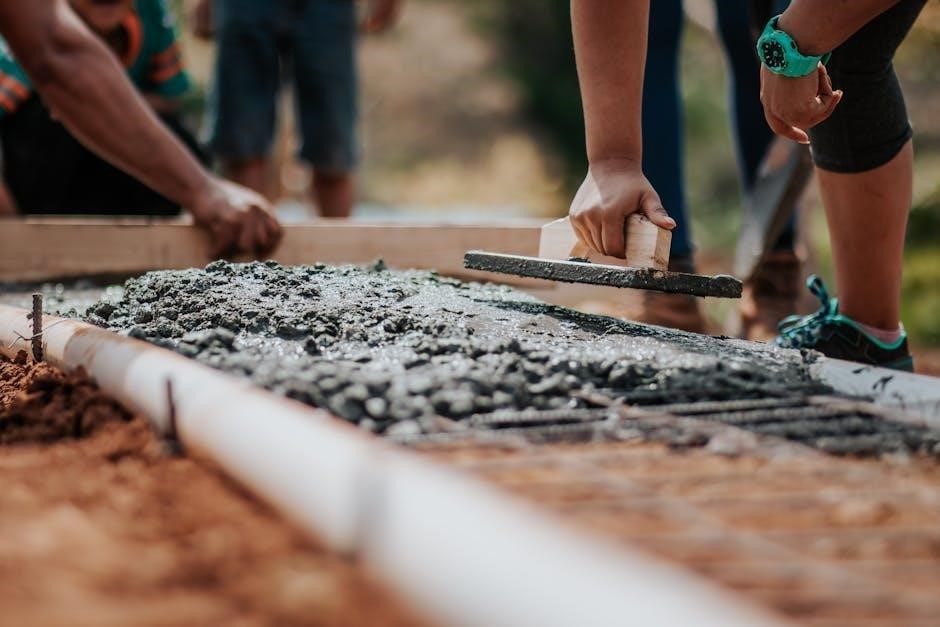
Manual seeders utilize a precise dispensing mechanism to ensure accurate seed placement. The seed reservoir feeds seeds into a rotating dial or lever system‚ which releases the seeds at controlled intervals. Many models offer the option to apply fertilizer simultaneously‚ using an attached fertilizer spreader to distribute nutrients evenly. Users can adjust the quantity of seeds and fertilizer dispensed‚ tailoring the application to specific crop needs. This dual functionality enhances efficiency and effectiveness‚ making manual seeders invaluable tools for small-scale farmers and garden enthusiasts.
Adjusting Seed and Fertilizer Quantity
Manual seeders provide precise control over seed and fertilizer dispersion‚ allowing users to adapt to different crop requirements. The adjustment typically involves simple mechanisms‚ such as dials or levers‚ which regulate the flow of seeds and fertilizers independently or in tandem. For seeds‚ settings can be modified based on crop type and spacing needs‚ ensuring optimal density to prevent overcrowding or sparse growth. Similarly‚ fertilizer quantity can be tailored to soil conditions and plant nutrient requirements to avoid over or under-fertilization. Most models feature user-friendly controls‚ making adjustments accessible even for those without technical expertise. Testing adjustments in small areas before large-scale planting is advisable to refine settings for best results. This flexibility enhances crop health and maximizes harvest potential.
Regulating Sowing Depth
Accurately controlling sowing depth is essential for ensuring optimal germination and plant health. Most manual seeders feature adjustable settings to regulate planting depth‚ allowing users to cater to the specific needs of different crops. This depth adjustment ensures that seeds are planted neither too shallow nor too deep‚ avoiding issues like poor root development or difficulty in emergence.
For instance‚ the T8 manual seeder enables precise depth control‚ while the Balwaan S-2 model allows users to set the desired depth for consistent results. Proper depth regulation also prevents soil compaction and promotes even seed-to-soil contact‚ enhancing germination rates. Whether you’re planting in sandy soil or heavier clay‚ adjusting the sowing depth ensures that seeds receive adequate moisture and nutrients.
Understanding the recommended depth for your specific crop is crucial for achieving healthy plant growth and maximizing yield potential. With manual seeders‚ you can fine-tune this setting to match your soil type and crop requirements‚ ensuring a successful planting process.
Maintenance and Durability
Maintaining your manual seeder is crucial for ensuring its longevity and optimal performance. Regular cleaning after use prevents clogs and preserves the tool’s efficiency. Lubricating moving parts helps maintain smooth operation and prevents rust. Proper storage in a dry place protects the seeder from damage and extends its lifespan.
High-quality materials‚ as seen in models like the T8 and Balwaan S-2‚ contribute to durability. Consistent care and timely repairs ensure the seeder remains reliable and functional. By investing in routine maintenance‚ you not only extend the tool’s durability but also ensure consistent and efficient planting for years to come.
Best Practices for Using Manual Seeders
Select the right manual seeder for your needs‚ prepare your soil properly‚ and follow optimal seeding techniques for the best results. Avoid common mistakes like uneven distribution or incorrect sowing depth. Maintain your equipment and ensure regular post-seeding care for long-term success and a healthy harvest.
Selecting the Right Manual Seeder for Your Needs
When choosing a manual seeder‚ consider your specific farming or gardening requirements. Evaluate factors such as the type of seed‚ soil conditions‚ and desired planting pattern. For instance‚ single-row seeders are ideal for small plots‚ while multi-row models suit larger areas. If you need fertilizer application‚ opt for a seeder with a built-in spreader. Push-type seeders offer portability‚ while roller-type models ensure precision. Ensure the seeder accommodates your field size and crop type. Always match the seeder’s capacity and spacing features to your needs for optimal results.
Preparing Your Soil Before Seeding
Preparing your soil is a critical step for successful planting with a manual seeder. Start by loosening the soil to improve root penetration and water drainage. Remove debris‚ rocks‚ and weeds to create a clean‚ fertile environment for seeds. Test your soil’s pH and nutrient levels‚ adjusting as needed for optimal growth. Incorporate organic matter or compost to enhance soil structure and fertility. Ensure the soil is moist but not waterlogged‚ as this promotes seed germination. Properly prepared soil ensures your manual seeder can distribute seeds evenly‚ leading to healthy crop development‚ especially for crops like wheat‚ corn‚ or vegetables. A well-prepared soil bed maximizes the efficiency of your manual seeder and your farming efforts.
Optimal Seeding Techniques
Achieving optimal seeding with a manual seeder involves careful design and customization. Adjust settings for seed quantity and spacing to match crop requirements and soil conditions. Ensure even distribution by maintaining a consistent walking speed while sowing. For best results‚ align your seeder with the soil’s texture and moisture level‚ especially when planting crops like wheat or corn. Regular calibration and monitoring help maintain precision and efficiency throughout the process.
Common Mistakes to Avoid
When using a manual seeder‚ one common mistake is failing to properly adjust the seed and fertilizer settings for your specific crop and soil type. Neglecting to prepare the soil adequately‚ including loosening and leveling‚ can hinder seed germination. Overcrowding or uneven spacing of seeds can lead to poor growth and reduced yields. Avoid inconsistent seed distribution by maintaining a steady pace while sowing and ensuring the seeder is properly aligned with the rows. Additionally‚ neglecting to monitor and adjust the seeder’s performance during use can result in uneven planting. Always calibrate your seeder before starting and avoid overloading it with seeds or fertilizer to maintain precision and efficiency.
Post-Seeding Care and Monitoring
Post-seeding care and monitoring are critical to ensure the successful growth of plants. It is essential to maintain consistent watering and irrigation to keep the soil damp but not overly saturated‚ as both under-watering and over-watering can hinder seed germination and plant health. Regular checks for pests and diseases should be made to address any issues promptly‚ as early intervention is key to preventing widespread damage. Monitoring plant growth and development helps identify any deviations from normal patterns‚ allowing for timely adjustments to care routines. Additionally‚ protecting the area from extreme weather and wildlife is crucial to prevent damage to delicate seedlings. Proper weed control also plays a vital role in preventing competition for nutrients and sunlight‚ ensuring that your plants have the best chance to thrive.
Manual Seeder Models and Brands
Discover manual seeder models like T8‚ Haudin‚ Balwaan S-2‚ and Neptune‚ designed for specific farming needs. These devices offer unique features for different crops‚ efficiently catering to small-scale and cultivated settings.
T8 Manual Seeder
The T8 manual seeder is a highly efficient and user-friendly tool designed to simplify the sowing process for small-scale farmers and gardening enthusiasts. Its compact design allows for precise seed distribution‚ making it ideal for cell plugs flats. By simply sliding the seeder across each row of trays‚ you can plant seeds quickly and accurately. The T8 ensures optimal spacing and reduces the risk of over- or under-planting. Its durability and ease of use make it a reliable choice for propagating herbs‚ vegetables‚ or flowers. Whether you’re starting a new garden or expanding your current setup‚ the T8 seeder is a must-have for efficient planting.
Haudin Push Seeder
The Haudin Push Seeder is a compact‚ portable tool designed for efficient and precise seed planting. Its push-type mechanism allows for easy handling‚ making it ideal for small-scale farmers and gardening enthusiasts. The seeder distributes one seed per hole with uniform spacing‚ ensuring optimal planting density. Its compact design makes it suitable for narrow rows or larger fields. The Haudin Push Seeder is perfect for a variety of crops‚ offering a practical solution for small-scale operations. With its durable construction‚ this manual seeder simplifies planting while maintaining high precision and accuracy.
Balwaan S-2 Manual Seeder
The Balwaan S-2 Manual Seeder is a versatile tool designed for small-scale farms and gardens. It is ideal for cultivated soil types‚ especially sandy soil‚ and supports a wide range of crops such as wheat‚ corn‚ peanuts‚ beans‚ and cotton. This seeder offers the unique ability to sow seeds and fertilize simultaneously‚ enhancing planting efficiency. Farmers can easily adjust the seed quantity‚ fertilizer amount‚ and sowing depth to suit specific crop requirements. Its portability and compact design make it perfect for various field conditions‚ ensuring precise and reliable sowing for a productive harvest.
Neptune Simplify Farming Manual Seeder
The Neptune Simplify Farming Manual Seeder is a single-row roller-type seeding machine designed for precise and efficient planting. It features 12 teeth seed dispensers‚ ensuring uniform seed distribution across various agricultural crops. This manual seeder is ideal for small-scale farmers and gardeners who seek reliability and ease of use. Its portability and compact design make it perfect for working in different field conditions. With this tool‚ you can achieve consistent and accurate results‚ making it a trusted choice for those looking to simplify their planting process.