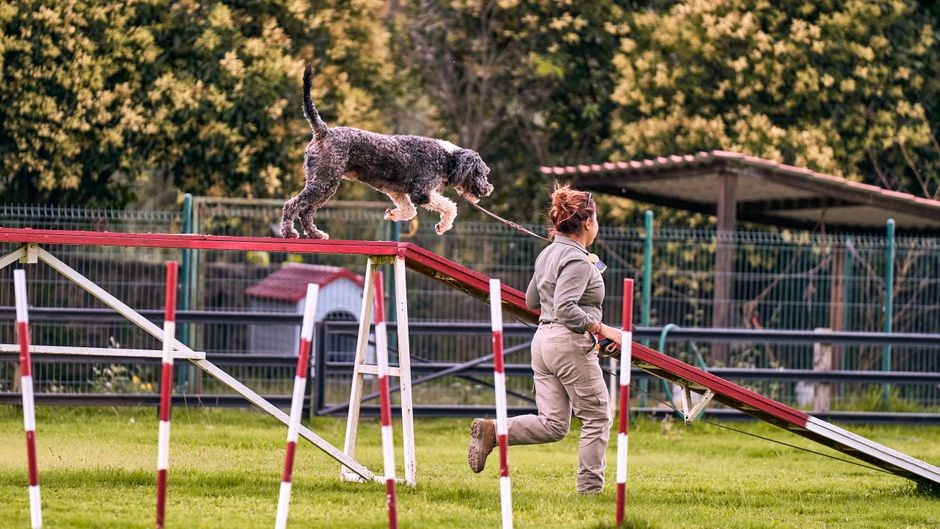
This PDF offers a concise, step-by-step dog training guide, covering basic commands, house-training, and socialization․ It blends proven methods with practical tips, ensuring owners can train any breed, age, or temperament․ Download now to start shaping a well-behaved companion․ Start training today, enjoy․!
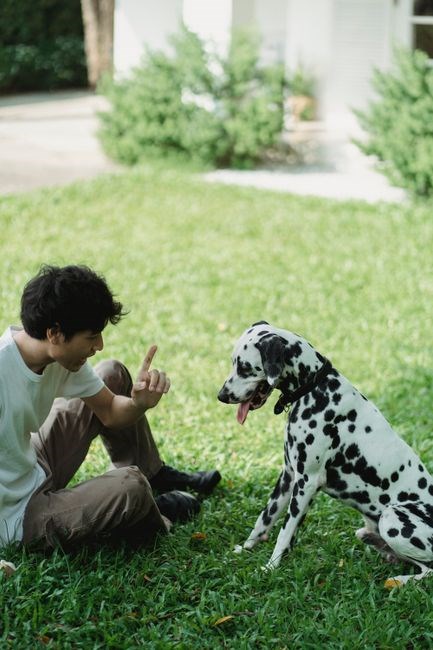
Importance of Structured Training
Structured training offers a clear, step‑by‑step framework that turns a dog’s natural instincts into reliable obedience․ Owners avoid confusion, build trustaccelerate learning․ Consistent routines reduce anxiety, create predictable outcomes, and strengthen the human‑canine bond․ Programs spot problems early, enabling timely fixes that save time and resources․ Build a partnership
Structured training provides a systematic approach that transforms a dog’s innate behavior into disciplined obedience․ By establishing clear cues consistent rewards, owners create a predictable learning environment․ Regular practice reduces stress, builds confidence, fosters a strong bond․ Structured sessions also help identify behavioral issues early, allowing owners to address challenges!!!
Structured training supports lifelong learning․ A well‑planned curriculum equips dogs with skills to adapt to new environments and social situations․ It lays a foundation for advanced training, obedience competitions, or specialized tasks like service work․ The PDF emphasizes consistency, ensuring owners maintain reliable routines across settings, reinforcing commands and calm behavior․ daily!!!
Structured training is not just a series of commands; it is the foundation of a safe, confident, and companion․ Consistency, patience, and clear communication create a learning environment where dogs thrive․ A well‑structured plan ensures that training is efficient, measurable, and adaptable to each dog’s temperament, ultimately fostering a harmonious partnership for life․!
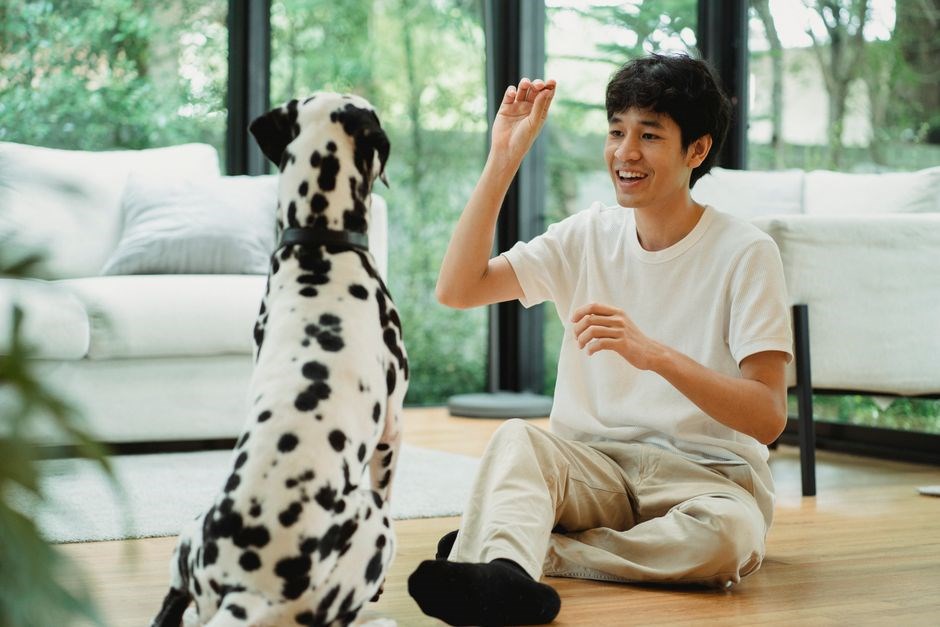
Essential Training Materials and Tools
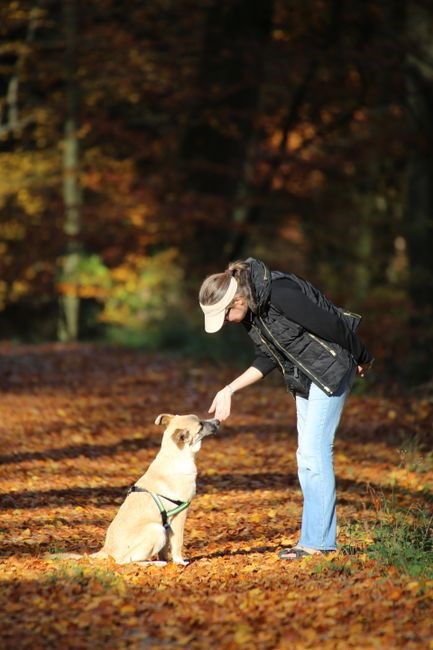
Every successful dog training session begins with the right tools․ The PDF guide recommends a lightweight, non‑slip leash that gives you control without restraining natural movement․ A sturdy collar or harness should fit snugly, allowing you to guide while preventing injury․ Treats are essential; choose small, high‑value rewards that your dog can consume quickly, keeping sessions short and focused․ A clicker, if you opt for positive‑reinforcement methods, offers a clear auditory cue that separates the moment of correct behavior from the reward․ A training pad or paper towels can aid house‑training, providing a designated spot for accidents and cues!!!?
The guide stresses a calm, focused setting free from distractions․ Consistent tone and clear body language reinforce cues, building trust․ Storing tools in a dedicated bag keeps them organized and ready․ This attention to detail keeps training efficient, enjoyable, and effective for both dog and owner․ Each session turns into a rewarding partnership!!!
Preparing Your Dog for Training Success
Before you begin any training routine, establish a foundation of trust and consistency․ The PDF guide emphasizes the importance of creating a calm environment, free from loud noises or sudden movements that could startle your canine companion․ Begin by spending short, positive interactions—such as gentle petting or a brief walk—each day to build rapport․ A well‑balanced diet, adequate hydration, and regular veterinary checkups are also highlighted as prerequisites; a healthy dog learns more efficiently and displays fewer distractions․ The guide recommends setting clear, achievable goals for each session, breaking complex behaviors into manageable steps․ Use a consistent verbal cue, a hand signal, or a combination of both, and pair it with a reward immediately after the desired action․ This immediate feedback loop reinforces the behavior․ Additionally, the PDF suggests maintaining a training log: note the date, time, duration, and the dog’s response to each exercise․ This record helps identify patterns, track progress, and adjust strategies when necessary․ Finally, the guide advises practicing in varied settings—home, yard, park—to ensure your dog generalizes commands across environments․ By preparing mentally, physically, and logistically, you set the stage for a successful, enjoyable training journey that strengthens the bond between you and your dog․ Remember that consistency across sessions builds neural pathways, and patience is key; even small setbacks are part of learning․ Incorporate breaks, keep sessions short—five to ten minutes—to maintain focus․ Finally, celebrate milestones with praise and affection, reinforcing the positive association and encouraging continued progress․ Consistency, patience, and positive reinforcement are the pillars of success․
Core Obedience Commands Overview
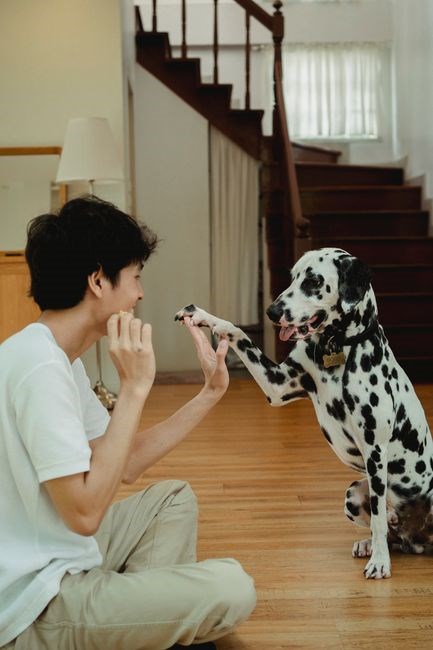
Learn essential commands like sit, stay, come, and heel․ The PDF outlines clear steps, rewards, and consistency for reliable obedience․ Practice short sessions, use positive reinforcement, and gradually increase difficulty to build confidence and control․ and trust․!
Basic Sit and Stay Commands
Teaching “sit” and “stay” is foundational․ Start by holding a treat above your dog’s nose, then move your hand back, encouraging the dog to lift its hindquarters․ Once the dog sits, give the verbal cue “sit” and reward immediately․ Repeat until the action is reliable․ For “stay,” begin with a short distance, say “stay,” and use a hand signal․ Reward only when the dog remains stationary․ Gradually increase distance and duration, ensuring consistency across environments․ Use a release cue like “okay” to signal the end of the stay․ Keep training sessions short, 5–10 minutes, to maintain focus․ Positive reinforcement, patience, and clear cues are key․ Consistency across owners and settings strengthens learning․ Remember to reward the dog for effort, not just success, to build confidence․ Practice in distractions, such as a park or hallway, to generalize the behavior․ Over time, “sit” and “stay” become automatic, allowing you to manage your dog safely in various situations․
In addition, incorporate “stay” in everyday routines; When greeting guests, ask the dog to sit and stay before approaching․ This reinforces obedience in social contexts․ Use a consistent tone; a calm voice signals the dog to remain․ If the dog breaks the stay, gently guide it back and repeat the cue․ Avoid punishing; instead, reset the exercise․ Over time, the dog learns to trust the cue and self-regulate․ For puppies, keep the stay brief, 3–5 seconds, and gradually extend as they mature․ Older dogs may need more frequent breaks․ Always end training on a positive note, ensuring the dog feels successful․ By mastering sit and stay, you lay the groundwork for advanced commands like recall, loose‑leash walking, and complex tricks․
Recall and Loose‑Leash Walks
Effective recall training begins with a strong “come” cue, paired with a high‑value reward․ Start in a low‑distraction area, hold a treat, and call the dog’s name, followed by “come․” When the dog arrives, reward immediately and praise enthusiastically․ Repeat until the dog consistently returns․ Gradually increase distance and introduce mild distractions, such as a second dog or a moving object․ Use a long leash or a training line to maintain control while allowing freedom․ For loose‑leash walking, begin by walking at a moderate pace and rewarding the dog for staying within a few feet of your side․ If the dog pulls, stop walking and wait until the leash slackens before resuming․ Use a “heel” cue to encourage the dog to stay close․ Reward the dog with treats and verbal praise when it walks without pulling․ Practice in varied environments—parks, streets, and busy trails—to generalize the loose‑leash behavior․ Consistency in cue usage, reward timing, and leash handling ensures the dog learns to walk calmly beside you while remaining responsive to recall commands․ Regular short training sessions reinforce the skills and build the dog’s confidence in both recall and loose‑leash walking scenarios․
Consistency and patience are the keys to successful recall and loose‑leash training․ By reinforcing the desired behaviors with timely rewards and clear cues, dogs learn to respond reliably in various settings․ Remember to keep sessions short, enjoyable, and progressive, gradually increasing difficulty as the dog masters each step․ Keep training fun․ Daily!
House‑Training Fundamentals
House‑training is the cornerstone of a harmonious home․ Start by establishing a consistent schedule: feed, water, and bathroom breaks at the same times each day․ Puppies typically need to eliminate themselves every two to four hours, while adult dogs may require fewer trips․ Use a designated outdoor spot and always bring the dog to that area․ When the dog finishes, reward immediately with a treat and enthusiastic praise to reinforce the desired behavior․ If the dog starts to eliminate inside, pause the training session, calmly redirect to the outdoor spot, and avoid punishment․ Instead, use a verbal cue such as “go potty” and reward upon completion․ Crate training is an effective tool; dogs naturally avoid soiling their sleeping area․ Keep the crate small enough that the dog cannot eliminate, yet large enough for comfortable rest․ Monitor the dog’s body language for signs of needing to relieve—sniffing, circling, or whining—and act promptly․ Clean accidents with enzymatic cleaners to eliminate lingering odors that might attract repeat incidents․ Consistency, positive reinforcement, and patience are essential․ Over time, the dog will associate the outdoor spot with elimination and the crate with rest, creating a reliable house‑training routine that supports a well‑behaved companion․ Remember to keep training sessions short, enjoyable, and progressive, gradually increasing difficulty as the dog masters each step; Daily practice and clear cues build confidence and reduce anxiety, ensuring the dog feels secure and understood in every environment․
When accidents occur, calmly guide the dog to the correct spot and reward immediately; Use a consistent phrase like “good job” to signal success and reinforce elimination!!!
Socialization Techniques for Puppies
Socialization is key to a confident puppy․ Begin early exposing your pup to sights sounds textures and people in a positive and gentle way․ Use short frequent sessions—five to ten minutes each—so the puppy remains engaged without becoming overwhelmed․ Introduce new environments gradually: a backyard, a park, a street, and a pet store․ Each setting offers stimuli—different smells, noises, and people that help the puppy learn to remain calm and curious․ Pair each exposure with a reward: a treat, a toy, or praise․ This positive association encourages the puppy to view new experiences as enjoyable rather than threatening․ When meeting other dogs, start with calm companions and keep interactions brief at first․ Observe body language: relaxed ears, wagging tail, and playful posture indicate comfort, while stiff posture or avoidance signals stress․ If the puppy shows fear or aggression, calmly separate and try again later, ensuring the environment remains safe․ Gradual exposure to different people—including children, seniors, and those wearing hats or sunglasses—builds social confidence․ Use gentle handling to teach the puppy that touch is normal and non‑threatening․ Finally, maintain a routine: consistent feeding times, daily walks, and predictable play sessions․ A structured schedule reduces anxiety and reinforces learning․ By combining controlled exposure, positive reinforcement, and a predictable routine, you’ll help your puppy develop the social skills needed to thrive in any setting!
Advanced Training Concepts
Explore clicker training, advanced recall, and problem‑behavior troubleshooting․ Build on basics with precision cues, varied environments, and reward schedules; Use the PDF guide to refine techniques, adapt to breed nuances, and maintain consistency for lasting results!
Clicker Training Methodology
Clicker training is a positive‑reinforcement technique that uses a distinct sound to mark desired behavior instantly․ The guide explains how to pair the click with a treat, creating a clear signal that the action is correct․
Start by “charging” the clicker: click, then give a treat, repeat until the dog associates the click with reward․ Next, introduce a simple cue such as “sit․” When the dog sits, click and reward․ Gradually increase the delay between the cue and the click, teaching the dog to perform the action on command․
The PDF stresses consistency, short sessions, and keeping the clicker sound distinct from everyday noises․ It also covers troubleshooting common issues like over‑clicking, hesitation, or loss of focus․
Advanced steps include chaining behaviors, using the clicker for complex tasks, and fading the clicker by gradually replacing it with verbal praise․ The methodology is adaptable to all breeds and ages, making it a versatile tool for owners seeking reliable, humane training․
Key principles highlighted: clear communication, immediate feedback, and gradual increase in difficulty․ By mastering these steps, trainers can build a strong bond and ensure lasting obedience․
In addition, the guide recommends using a consistent clicker tone, avoiding distractions, and maintaining a calm environment․ Owners are encouraged to practice in varied settings—home, park, and during walks—to generalize the behavior․ The PDF also suggests recording progress to identify patterns and adjust training intensity accordingly․
Finally, the PDF advises owners to celebrate milestones with praise and treats, reinforcing the positive association․ Consistent practice, patience, and a clear clicker signal create a reliable training framework adaptable to learning style․
By following this structured clicker methodology, you’ll teach commands, boost confidence, reduce anxiety, and strengthen the human dog bond through clear communication daily․
Problem‑Behavior Troubleshooting
When a dog displays unwanted actions—barking, chewing, or pulling—this guide offers a systematic approach․ First, identify triggers by observing context, body language, and timing․ Once a trigger is pinpointed, replace the negative response with a neutral or positive alternative․ For example, if chewing occurs during play, redirect the dog to a chew toy and reward compliance․
Consistency is key: use the same cue, reward, and timing across sessions․ If the dog resists, reduce the intensity of the stimulus or break the task into smaller steps․ The PDF also recommends using a calm voice, avoiding punishment, and reinforcing desired behavior immediately with treats or praise․
In cases of aggression or fear, the guide advises gradual desensitization—exposing the dog to the trigger at a low intensity, then gradually increasing it while maintaining a safe distance․ If progress stalls, consult a professional trainer or behaviorist․ The PDF stresses that patience, observation, and positive reinforcement are the most effective tools for lasting behavior change․
To reinforce learning, schedule short, frequent training sessions—ideally 5 to 10 minutes, multiple times a day․ Use high‑value treats or favorite toys as rewards, and vary the reward type to keep the dog engaged․ Keep the environment calm and free of distractions; gradually introduce new stimuli as the dog masters the core behavior․ Remember that consistency, patience, and positive reinforcement are the cornerstones of successful behavior modification․ Practice consistently for best results!
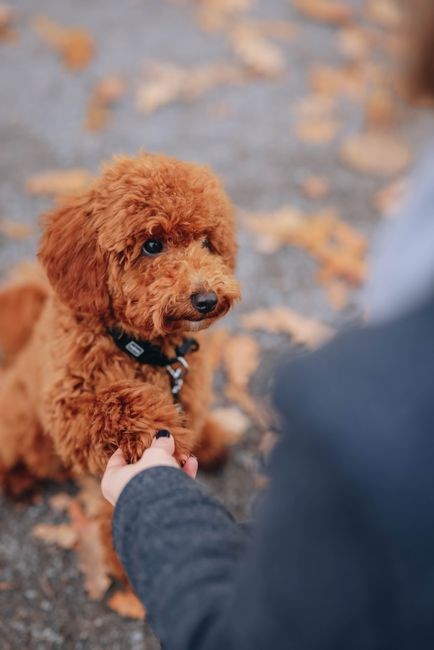
Accessing and Using the PDF Guide
Downloading the PDF is straightforward: click the link on the official training site, choose the “Download” button, and save the file to your device․ The guide is available in both PDF and e‑book formats, ensuring compatibility with smartphones, tablets, and desktop computers․ Once downloaded, open the file with any standard PDF viewer—Adobe Acrobat Reader, Foxit, or the built‑in preview on macOS and Windows․
To maximize learning, print the key sections or use a tablet to flip through pages․ The guide is organized into chapters with clear headings, numbered steps, and illustrative diagrams․ Bookmark your progress by adding page numbers to the PDF’s table of contents․ If you prefer a digital workflow, highlight important passages and add sticky notes for quick reference during training sessions․
When practicing, follow the recommended schedule: short, frequent sessions of five to ten minutes each․ Use the “Practice Log” sheet included at the end of the PDF to record successes and areas needing improvement․ This record‑keeping helps track progress and adjust techniques accordingly, ensuring consistency and measurable results․
Finally, share the PDF with fellow dog owners or trainers by emailing the file or uploading it to a cloud service․ The guide’s open‑access policy encourages community collaboration, allowing users to exchange insights and success stories․ By following the structured steps and leveraging the PDF’s resources, you’ll build a solid foundation for effective enjoyable training․
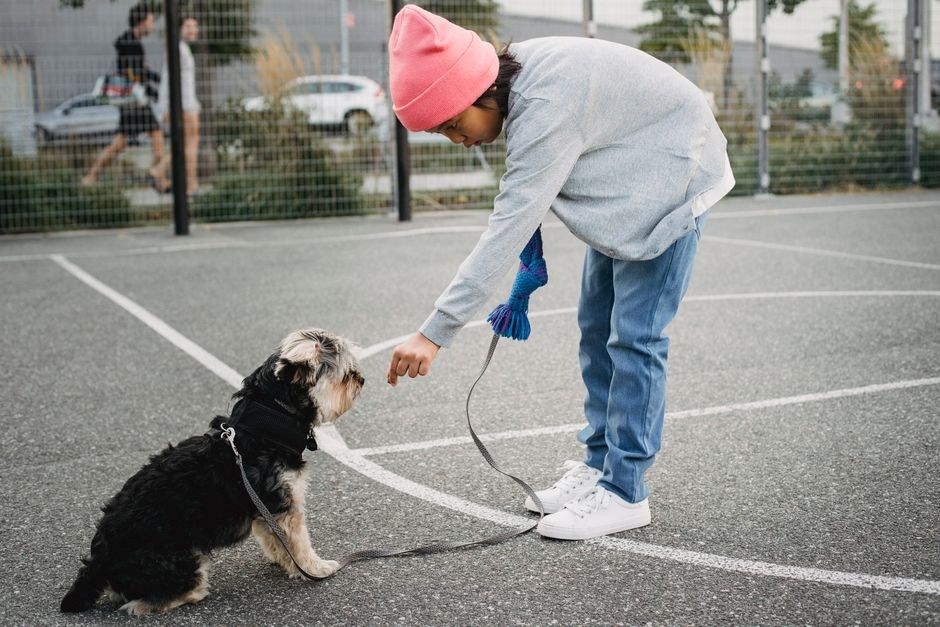
Additional Resources and Continuing Education
Beyond the core PDF, the training community offers a wealth of supplementary tools․ A curated list of reputable online courses—ranging from beginner modules to advanced behavior modification—can be found on the official training portal․ Many of these courses are free, while premium options provide live coaching, personalized feedback, and certification upon completion․ Interactive webinars hosted by certified trainers cover niche topics such as agility, scent work, and scent detection, allowing owners to deepen their skill set without leaving home․ The PDF also links to a comprehensive library of printable worksheets, including training logs, behavior charts, and reward tracking sheets, all designed to reinforce daily practice․ For those who prefer visual learning, a selection of instructional videos demonstrates each command step‑by‑step, ensuring correct cue delivery and body language․ Additionally, the guide references a network of local dog training clubs and meet‑ups, where owners can observe peer sessions, exchange tips, and participate in group walks that reinforce loose‑leash behavior․ Finally, a recommended reading list features seminal texts such as “The Power of Positive Dog Training” and “Canine Behavior: A Practical Guide․” These resources, combined with the PDF’s foundational framework, empower owners to pursue lifelong learning and adapt training strategies as their dog matures․ Members of the online forum can post progress updates, ask questions, and receive peer support, creating a collaborative environment that nurtures growth․ Seasonal workshops are offered in many regions, focusing on adapting training to weather changes, holiday stress, and travel scenarios․ The guide encourages owners to set measurable goals, review progress monthly, and adjust techniques based on data collected from logs․ By engaging with these diverse learning avenues, trainers can maintain motivation, stay current with evolving best practices, and ultimately build a stronger bond with their canine companion․ Keep learning․ Stay curious․